
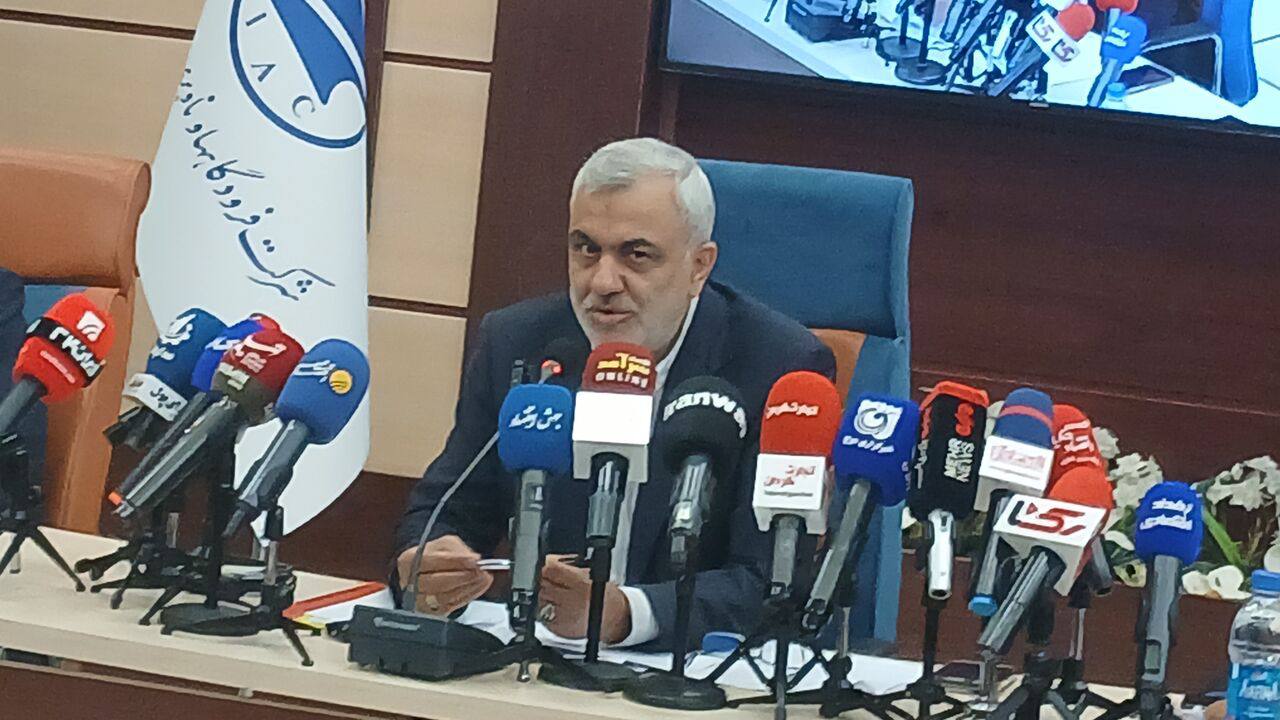
When the ceasefire took hold, few expected Iran's aviation sector to bounce back so swiftly. Yet within days, runways were cleared, navigation systems restored, and flights resumed. Morteza Dehghan, head of Iran Airports and Air Navigation Company, described it as a "jihad-style" operation, during a press conference on Monday.
Twenty-seven airports across the country sustained damage during the conflict. Runways, taxiways, terminals, fire stations, and vital navigation equipment were all hit. Under normal circumstances, rebuilding would take months, if not years. But normalcy, as Dehghan notes, was not an option. "The real battle began after the ceasefire," he told reporters. "We had to restart services immediately—not gradually."
Speed, however, was never pursued at the expense of safety. Dehghan insists that every repair adhered strictly to international standards. Domestic experts and knowledge-based companies led the charge, with contractors sometimes starting work before contracts were even signed. In some cases, critical equipment was evacuated from control towers under drone surveillance and later reinstalled.
Financing the reconstruction has been equally creative. With revenues from flights frozen during the crisis, the company turned to asset monetization and private investment models like BOT (build-operate-transfer). Meanwhile, Iran is modernizing its surveillance systems, moving beyond traditional radars to multilateration and ADS-B technology.
Perhaps the most telling sign of recovery is international confidence. Foreign airlines have resumed using Iranian airspace—a vote of trust in the country's air traffic control and navigation services. Dehghan's team is now offering financial incentives to attract more overflights, capitalizing on Iran's strategic geography.
The message from Tehran is clear: sanctions and war may disrupt, but they will not ground the nation.