
In a resounding display of shared ambition and regional solidarity, Iranian and Pakistani officials have set the stage for a transformative economic partnership, vowing to unlock unprecedented prosperity through the strategic synergy of the Chabahar and Gwadar ports. With a shared vision of robust regional integration, both sides are accelerating plans to turn border regions into thriving hubs of commerce and mutual growth.
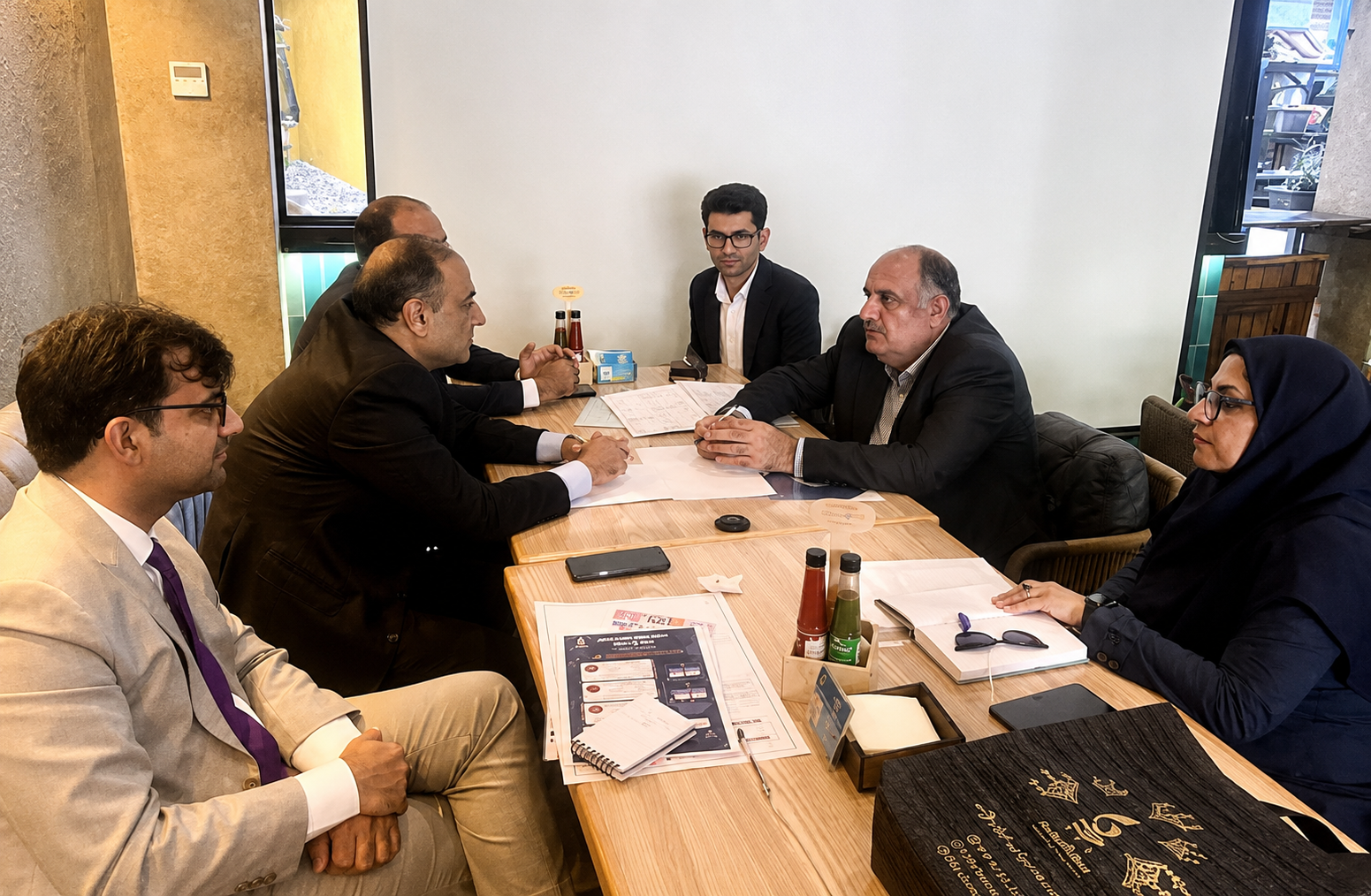
Mohammad Saeid Arbabi, CEO of the Chabahar Free Zone Organization, warmly welcomed Pakistan’s new envoy, Imran Ahmed Siddiqui, in Tehran to champion the creation of a bustling Rimdan-Gabd joint free zone. Describing Chabahar and Gwadar as "complementary twin engines of growth," Arbabi highlighted their limitless potential to supercharge logistics chains and anchor the region's pivotal role in global trade. The establishment of a dedicated, streamlined border gate at Rimdan is set to be a game-changer, drastically slashing transit times and turbocharging cargo handling capacity as both nations race toward the colossal $10 billion trade target.
Adding to the buoyant momentum, Governor Mansour Bijar revealed that Pakistan has enthusiastically embraced a pioneering barter trade mechanism. Hailed as a brilliant masterstroke of economic ingenuity, this initiative allows for the seamless exchange of essential goods without financial bottlenecks, ensuring that bilateral trade flows smoothly and resiliently. It is a powerful testament to how creative diplomacy can turn challenges into opportunities, maximizing mutual benefit for both populations.
The optimism is palpable as both nations pledge to breathe new life into their connectivity. Plans are rapidly advancing to relaunch direct flights, deploy a new maritime line linking Chabahar to Pakistani ports, and upgrade rail infrastructure to dramatically boost cargo movement. In a move that underscores deepening trust, Pakistan is actively considering a proposal to devolve border authority to Balochistan, mirroring Iran's progressive governance model—a step that promises swifter decision-making and vibrant local empowerment.
This burgeoning partnership is about far more than commerce; it is a powerful testament to the enduring friendship and historical bonds between the two neighbors. As they pave the way for a flourishing economic ecology within the Economic Cooperation Organization (ECO) framework, Iran and Pakistan are jointly building a future defined by shared prosperity, regional stability, and boundless opportunity for the people of the border regions and beyond. The road ahead is bright, and the wheels of progress are already turning.