
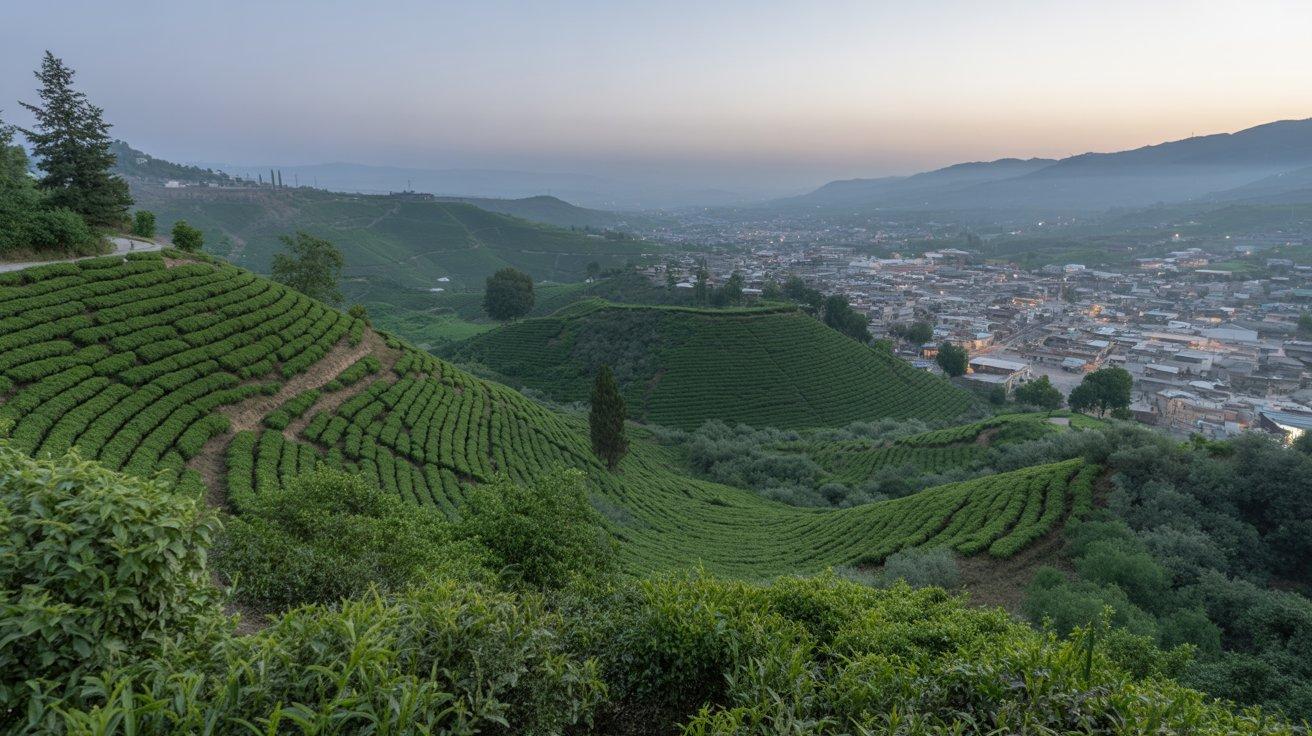
Iran's tea industry is poised for a significant production increase this year, with the National Tea Organization projecting a rise of more than 30 percent compared to the previous season.
The optimistic forecast comes on the back of substantial government support measures, including a sharp increase in guaranteed purchase prices for green tea leaves and the disbursement of working capital loans through the Tea Development Support Fund.
According to Habib Jahansaz, head of the National Tea Organization, the guaranteed purchase price for first-grade green tea leaves has been raised by 72 percent year-on-year, while second-grade leaves have seen a 67 percent increase. The move, coupled with favorable weather conditions across the northern tea-growing belt, is expected to provide much-needed relief to growers who have long struggled with production costs and market volatility.
Speaking during an inspection tour of warehouses and purchase centers, Jahansaz confirmed that domestic tea output has already shown signs of improvement thanks to coordinated efforts by the government and the Gilan provincial administration. He noted that quality standards are also being upheld as part of the broader strategy to strengthen consumer trust in locally produced tea.
The official further stressed that current reserves remain sufficient to meet domestic demand, particularly with additional harvests expected in the coming weeks. He described the tea market as "relatively stable" at present, adding that the primary focus of his organization is to secure the internal market and expand the share of Iranian tea in household consumption baskets.
Tea cultivation remains a vital economic pillar in Iran's northern provinces, with approximately 25,000 hectares under cultivation and more than 65,000 farming families dependent on the crop. Annual production typically exceeds 65,000 tons of dried tea, yet domestic consumption surpasses 100,000 tons per year, positioning Iran among the world's top tea consumers per capita.
This consumption gap continues to drive substantial imports, chiefly from India, Sri Lanka, and Kenya. While domestic output has historically met a significant portion of national needs during much of the year, the imbalance between supply and demand underscores the ongoing reliance on foreign supplies to bridge the shortfall.
Industry observers view the government's latest pricing and financing initiatives as a strategic attempt to reduce import dependence and revitalize the domestic sector. However, long-term sustainability will depend on addressing structural challenges, including improving logistical infrastructure, modernizing processing facilities, and expanding export markets for premium Iranian tea varieties.
For now, the projected bumper harvest and government-backed price guarantees offer a cautiously optimistic outlook for growers and industry stakeholders alike.