
Hamid Mollazadeh
Iran’s energy system is once again under severe strain as winter tightens its grip, exposing long-standing structural weaknesses in consumption patterns and power generation efficiency.
Record-breaking gas demand in the household sector, combined with the low efficiency of power plants has sharply reduced liquid fuel reserves and raised concerns over the stability of energy supply in the months ahead.
According to the National Iranian Gas Company (NIGC), gas consumption in the residential, commercial and small industrial sectors surged to an unprecedented 730 million cubic meters per day during the recent cold spell. This figure accounts for roughly 83 percent of Iran’s total gas production, a level that officials have described as both exceptional and unsustainable.
Saeid Tavakoli, CEO of NIGC, characterized the consumption as “unparalleled and, in reality, excessive,” warning that continued overuse threatens the resilience of the national gas network.
The scale of the increase becomes clearer when compared with last year’s figures. During the winter peak of the previous year, household and commercial gas consumption stood at around 700 million cubic meters per day. While this winter demand has already surpassed 730 million cubic meters, the intensity and geographical spread of cold weather—particularly across northern and northeastern regions—pushed consumption well beyond expectations.
This surge has had cascading effects across the energy system. With gas supplies increasingly diverted to households, power plants have been forced to rely more heavily on liquid fuels such as fuel oil and diesel.
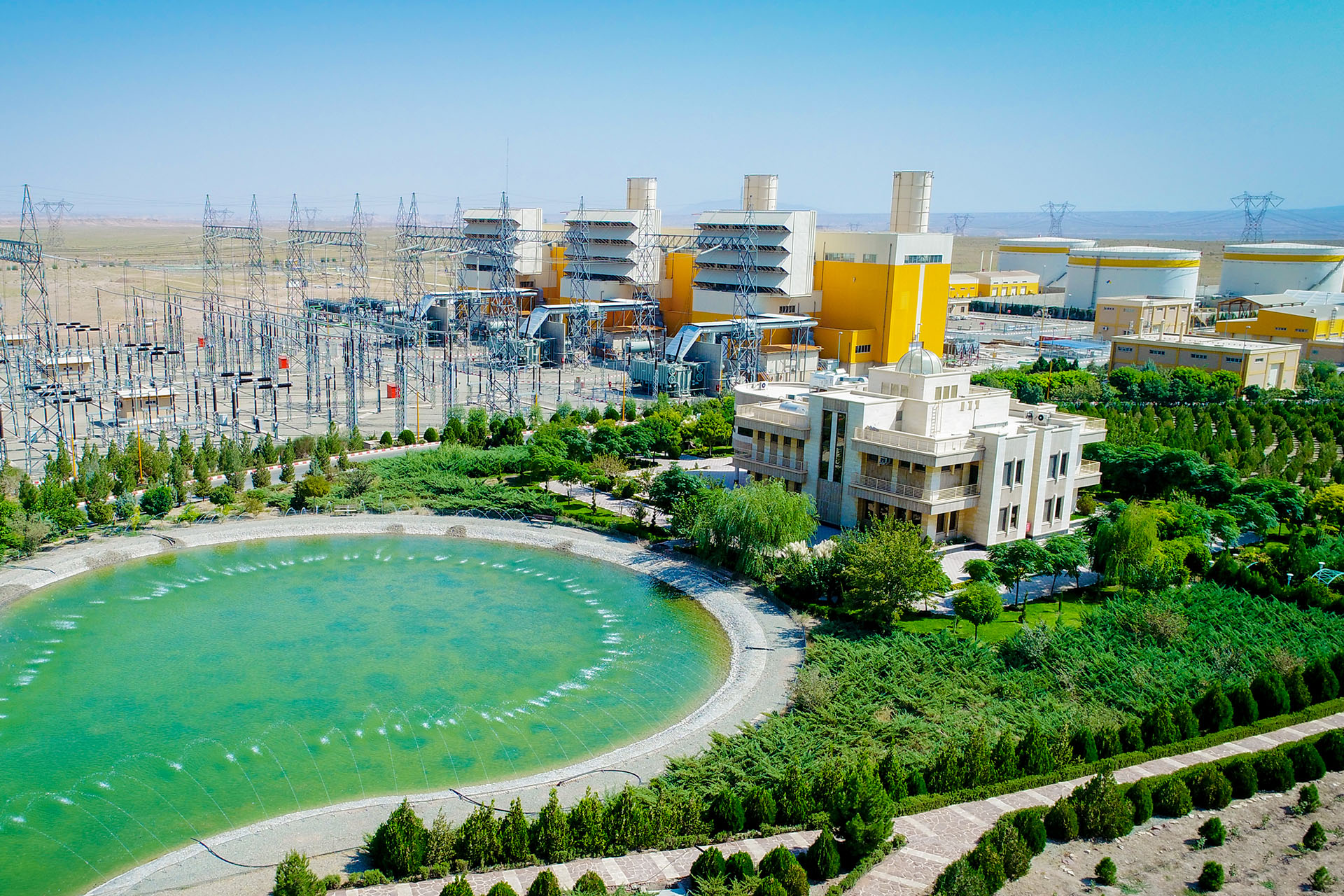
Although fuel storage tanks at power plants were fully stocked before the onset of winter, rapid depletion has followed. Members of parliament’s Energy Commission point to a familiar culprit: chronically low power plant efficiency.
Consumption at an Alarming Rate
Mustafa Nakhai, a member of the commission, has warned that despite extensive coordination between the Oil Ministry and fuel distribution authorities, liquid fuel reserves are being consumed at an alarming rate.
“The core issue is the low efficiency of power plants,” he said, noting that even well-prepared fuel inventories cannot offset excessive consumption driven by outdated technology and incomplete combined-cycle infrastructure.
Iran’s energy imbalance is rooted in its heavy dependence on natural gas. Methane gas accounts for roughly 70 to 75 percent of the country’s total energy mix, making Iran effectively a single-source energy consumer.
Power plants alone account for around 30 to 34 percent of national gas consumption on average, a share that fluctuates seasonally but remains substantial even in winter. With household demand absorbing more than four-fifths of gas production, the room left for power generation narrows dramatically—even if gas supplies to large industries or exports are curtailed.
In response, authorities have renewed calls for demand-side management. Tavakoli emphasized that reducing indoor temperatures by just one degree Celsius can cut household gas consumption by an average of six percent. At peak demand, such a reduction across the residential and commercial sectors would save approximately 25 million cubic meters of gas per day—equivalent to the output of nearly one phase of the South Pars gas field.
Simple measures such as sealing draft points, covering unused ventilation outlets, adjusting boiler temperatures, and switching off heating in unused spaces, officials argue, could collectively make a meaningful difference.
Unavoidable Structural Reform
Yet beyond short-term appeals to consumers, policymakers increasingly acknowledge that structural reform is unavoidable. Under Iran’s Seventh Development Plan, power plant efficiency is legally required to exceed 42 percent. Achieving this target will depend on upgrading existing facilities, completing the steam sections of combined-cycle plants, and mobilizing investment through legal mechanisms such as Article 12 of the law on removing barriers to competitive production.
Nakhai estimates that completing the steam units of existing combined-cycle plants alone could add at least 5,000 megawatts to Iran’s electricity capacity without increasing fuel consumption. While the Energy Ministry has initiated projects in this direction, progress remains slow, constrained by financing challenges and uneven implementation.
As winter demand continues and fuel reserves tighten, Iran’s current energy stress serves as a stark reminder that consumption discipline and efficiency gains are no longer optional. Without decisive action to modernize power generation and curb excessive demand, seasonal crises may become a permanent feature of Iran’s energy landscape rather than a temporary challenge.