
Iran’s economy is facing a deepening bottleneck as external sanctions and internal anti-production regulations jointly constrain trade, pushing the country toward what economists describe as a structural impasse.
Foreign trade, once seen as a potential engine of growth, is now largely confined to keeping the economy afloat rather than driving expansion. According to Mohammad Mahdi Behkish, an Iranian economist, the way out of this deadlock lies in prioritizing international trade—starting with a reset in foreign policy and followed by comprehensive regulatory reform.
Iranian trade is under simultaneous pressure from abroad and within. On the external front, international tensions, sanctions and disruptions in banking ties have made access to global markets costly and risky. Domestically, unstable policymaking, contradictory regulations and widespread price controls have eroded predictability, discouraging long-term planning by traders and investors.
Recent disruptions, including nationwide internet outages, have further damaged commercial activity and undermined international trust, traders say. The result is a pattern of trade focused on survival rather than development, reflecting deeper flaws in economic governance rather than isolated policy failures.
Behkish argues that international trade should be the starting point of economic reform, as it triggers positive spillovers into industry and services. “Without correcting foreign relations and reactivating the banking system, trade liberalization is not feasible,” he said in an interview with Donya-e-Eqtesad. In his view, regulatory tweaks alone cannot compensate for the absence of normal financial and diplomatic relations.
He also points to what he calls a “web-like” accumulation of domestic regulations—often contradictory and originally designed to curb rent-seeking—that now act as major barriers to business activity. Alongside this, extensive price controls distort market signals, preventing producers and consumers from making efficient decisions.
Path Forward
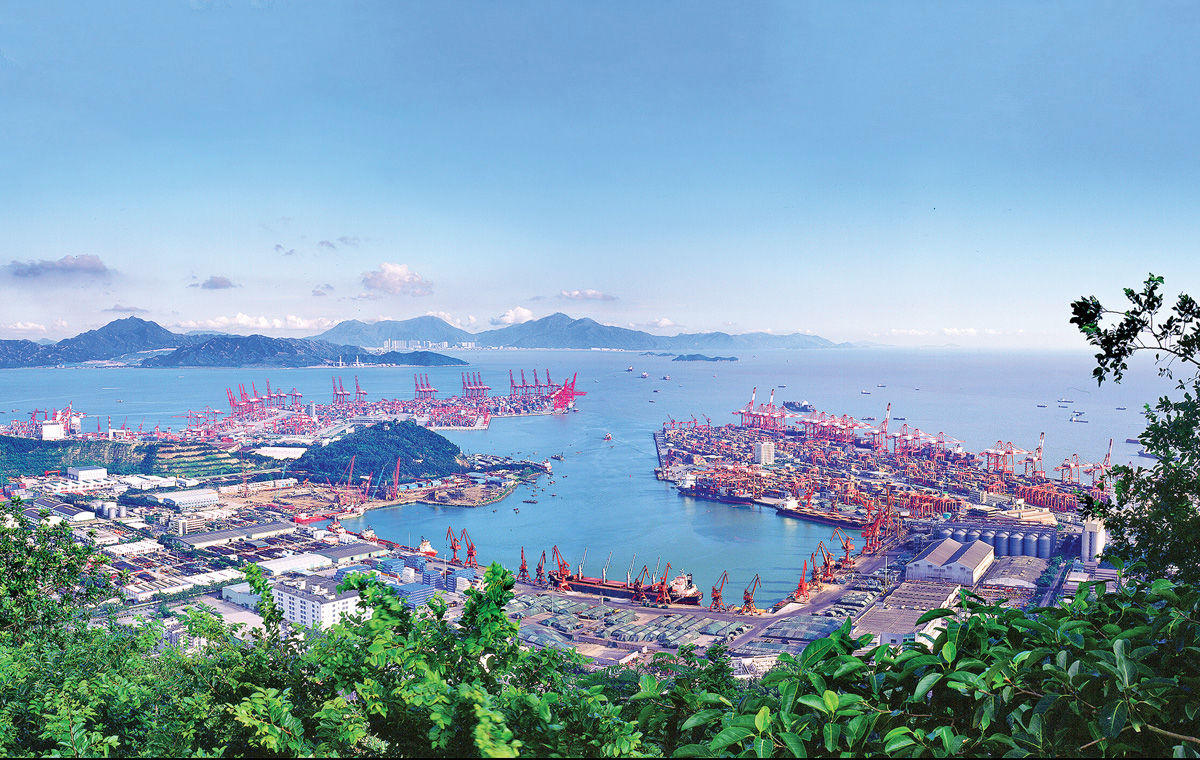
As a gradual path forward, Behkish advocates the creation of “real” free trade zones modeled on international experiences such as China’s Shenzhen. These zones, designed around geographic and comparative advantages, could operate with market-based rules and gradually transmit reforms to the broader economy.
Examples include maritime-based zones in northern or southern Iran focused on fisheries, shipbuilding and logistics, or border zones near Turkey that could develop textiles for export markets. In southeastern Iran, the port of Chabahar could serve as a hub for regional transit trade.
Economists warn that meaningful progress requires decisions that go beyond short-term fixes, including easing sanctions, stabilizing exchange rate policy, removing command-style interventions and aligning regulations with development priorities.
While such reforms are complex and costly, analysts argue that maintaining the current course would impose far heavier long-term costs on Iran’s economy.