
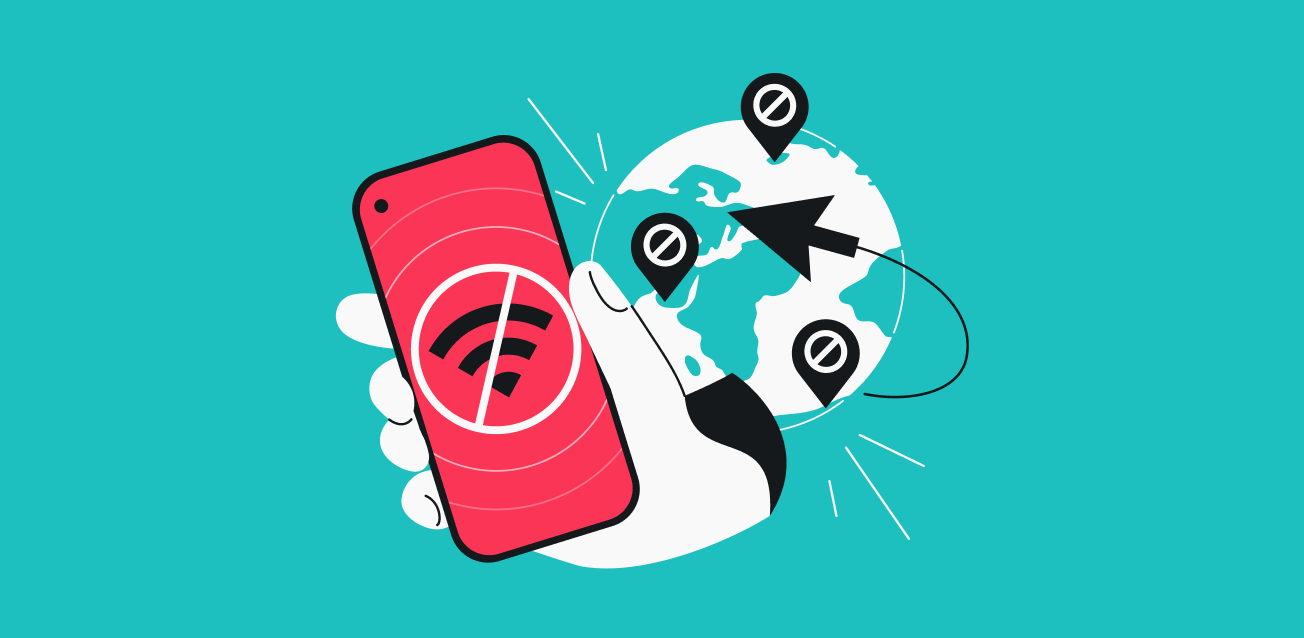
A nationwide internet shutdown, now exceeding two weeks, is severely disrupting academic life at Iranian universities.
Implemented in the wake of economic protests that escalated to violence in early January, the government moved to restrict international internet access as a measure to maintain security. However, with the situation having largely subsided, the internet remains significantly curtailed, with only limited access provided for certain entities.
The disruption comes at a time when universities worldwide increasingly rely on the internet for research, collaboration, and access to vital resources. Iranian institutions are now effectively isolated from the global academic community, jeopardizing ongoing research and educational initiatives.
“This situation is a serious crisis among university faculty,” stated Karen Abrinia, Secretary of the Faculty Guild Association, in an interview with Khabar Online. “For years, academics have been accustomed to constant communication with the outside world, daily journal reviews, tracking scientific articles, and email correspondence with journals and research centers. Graduate students and professors require internet access to search for information, access scientific articles, and credible sources. The internet shutdown has practically halted research activities.”
The impact extends beyond research. The entire publication process, from peer review to revisions, relies heavily on the internet and email. Abrinia explained, “Many professors and students have submitted articles for review, and the process is typically tracked via email. Corrections are communicated through this channel. Now, this connection is effectively severed. Even if the internet is restored, emails sent during this period may not reach recipients.”
Considerable Anxiety
The uncertainty surrounding the status of submitted work is causing considerable anxiety. “Professors and students may be unaware of the fate of their research,” Abrinia added. “For example, if an article is submitted to a journal and reviewers request revisions with a specific deadline, failing to respond in time can lead to rejection.”
Beyond research, the increasing reliance on online resources and AI-powered tools in education has also been severely impacted. Abrinia said, “Printed educational materials are no longer widely distributed, and access to books and articles is primarily through the internet. Furthermore, innovative educational tools and AI applications, all reliant on the internet, are now inaccessible.”
Communication among faculty has also been significantly hampered. “We used to stay informed through social media groups, but now we are practically in the dark.”
Abrinia stressed that cutting off the internet as a first step to secure the space is a flawed approach.
He described Iran as an advanced country in science and culture, adding that prolonged disconnection of academics from the world is unacceptable.
“This situation is causing serious damage to scientific, cultural, and even public trust and hope, leading to pessimism and despair. With the internet cut off, scientific activities are practically stopped, and this will have irreversible consequences for the country’s scientific future,” he warned.