
Iran’s oil minister has announced a transformative shift in the country’s oil sector, emphasizing the industry’s proactive role in unlocking investment, fostering technology development, and creating sustainable employment.
According to Shana, Mohsen Paknejad stated that the oil industry is currently working to break through key bottlenecks by adopting a more effective and responsible approach to leadership, oversight, and facilitation.
Paknejad highlighted the signing of two major contracts with domestic firms—one in the area of guaranteed drilling services procurement and another in the crude oil processing services sector.
He noted that each of these two areas functions as a critical wing for expanding the country’s crude oil production capacity and is expected to yield significant economic benefits.
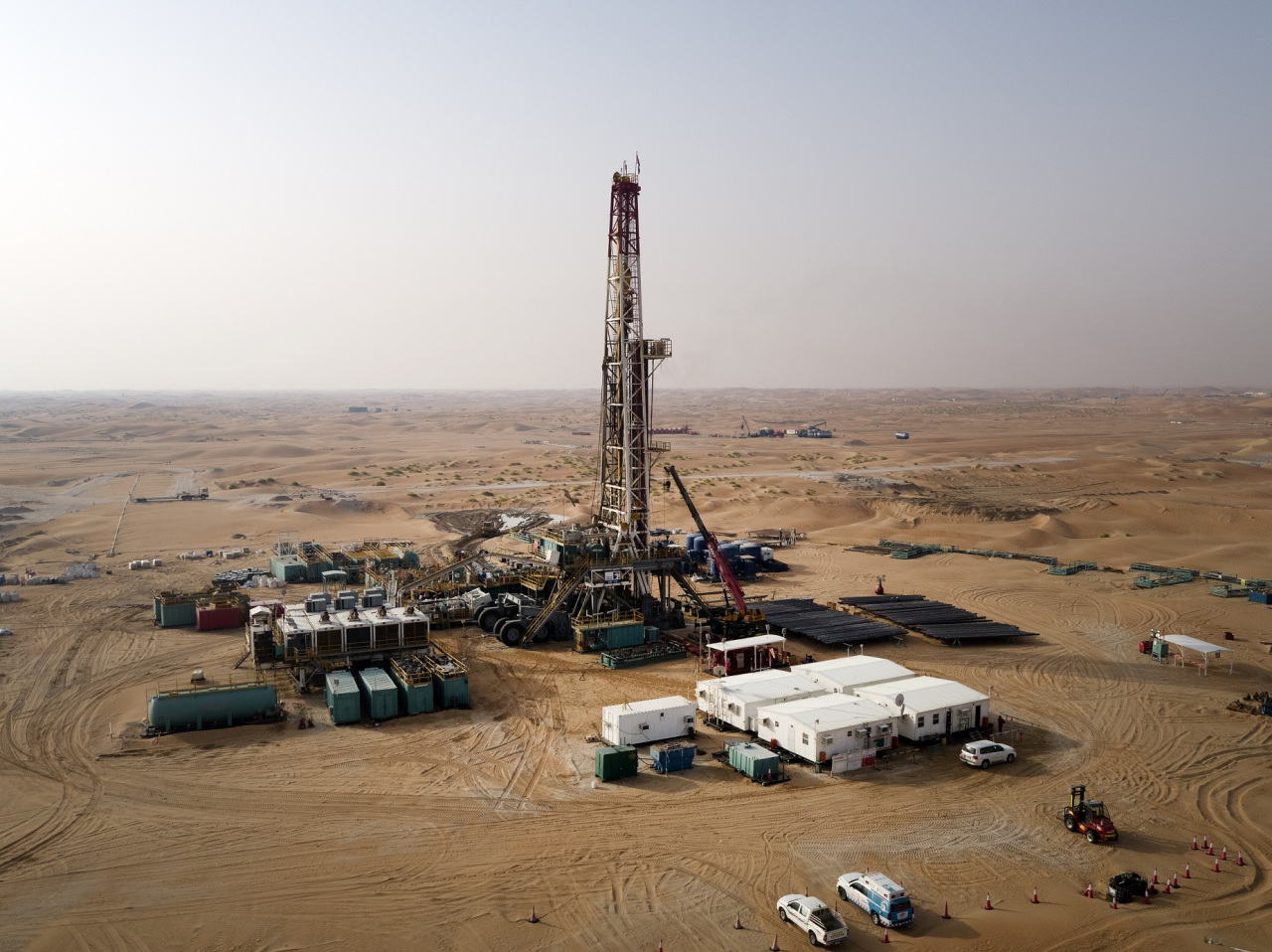
Asked about the drilling services contract, Paknejad explained that the guaranteed procurement model is targeting a historic bottleneck in the industry. This approach, supported by the oil sector, is set to trigger a wave of investment in the modernization of Iran’s drilling fleet.
The total value of the drilling services contracts, including related ancillary services, is estimated at around $1 billion. These contracts will add 20 new drilling rigs with a capacity of 2,000 horsepower each to the national drilling fleet which is in dire need of refurbishment.
Paknejad added that under this five-year plan, the National Iranian Oil Company (NIOC) will procure drilling services and ancillary supports from private and non-state investors, thereby strengthening the country’s drilling infrastructure.
He emphasized this significant increase in drilling equipment will lead to drilling more wells and accelerate the development of upstream oil and gas fields, resulting in higher production and a sustainable flow of revenue and employment.
Skid Mounted Units
In parallel with this major step in expanding the drilling fleet, the minister announced the signing of contracts for the installation of skid mounted crude oil desalting units (mobile processing units) at six key oil fields including Bangestan, Ab-Timir, Ramshir, Mansourabad, Kangan, and Golkhari all in oil-rich southern regions. These contracts, worth $1.7 billion and spanning 10 years, are structured under a Build-Own-Operate (BOO) model.
Paknejad noted that the construction period for these mobile processing units is approximately 15 months—significantly faster than the 36 months typically required for the construction of fixed processing facilities. This represents a major step forward in accelerating field operations and improving efficiency.
He explained that the implementation of these private and non-state contracts will create a new processing capacity of 315,000 barrels per day for the country. This will prevent a potential production decline of 180,000 barrels per day and is expected to increase crude oil production by 135,000 barrels per day.
Despite sanctions and numerous operational and processing challenges, the official reported that the average crude oil production this year has increased by 225,000 barrels per day compared to that of last year.
In the gas sector, a new record of 1.1 billion cubic meters per day was set in last days of December 2025. Additionally, production from the joint venture field of South Pars has reached a new high of 725 million cubic meters per day, reflecting the ministry’s priority of preserving national resources.
Contractual Models
Paknejad reiterated that the oil industry is playing a key role in unlocking investment, technology development, and sustainable employment by designing innovative contractual models that pave the way for private and non-state participation in the upstream sector—once dominated solely by large international companies with massive capital.
These contracts are breaking down the value chain of the upstream oil industry into smaller, more manageable components, enabling broader access to the resources of the general public.
Alongside the production boost, the contracts are expected to create around 11,500 direct and indirect jobs for skilled professionals, contributing to strengthening of the livelihoods of Iranian people.
Paknejad said this is the path forward for Iran’s oil industry, one in which the government acts as a facilitator and regulator, while the private sector serves as the driving force, ultimately leading to the strengthening of national power and the social well-being of the Iranian people.