
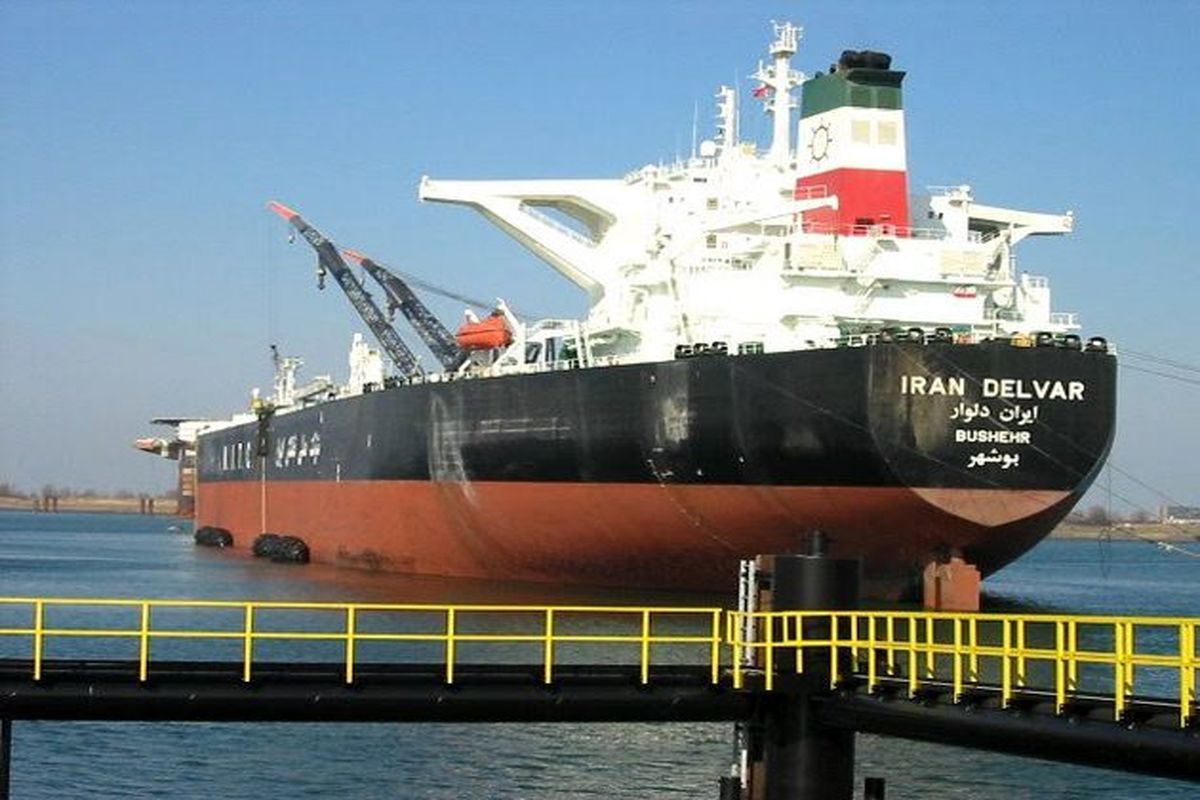
The current trend of selling Iran’s crude oil in international markets is continuing as usual, Oil Minister Mohsen Paknejad said on Wednesday but avoided elaborating on details the same as the past, Shana reported.
“To minimize the negative impacts of restrictions on oil exports, we have taken specific measures to ease conditions for buyers.”
Data from the International Energy Agency (IEA) indicate that Iran’s oil output has increased by roughly 110,000 barrels per day over the past 11 months. From a production level of around 3.39 million barrels per day in December 2024, output rose to approximately 3.5 million barrels per day by November 2025, reflecting steady gains despite ongoing sanctions.
While official statements and international data confirm a notable increase in crude exports and production, questions remain about how much revenue is actually making its way back into the country’s economy.
The minister dismissed claims on not returning petrodollars to Iran by “trustees” in the current administration, saying that trustees have long been active in Iran’s oil sector. It has been a long time Iran has exported some parts of its crude via specific groups and entities, he added.
“That I avoid talking about oil exports figures does not mean oil revenues are not deposited to the treasury”, Paknejad stressed, noting that in last 13 months, oil money has returned to the country regardless of all banking constraints. “We have some guarantees from our clients to return petrodollars.”
“Snapback mechanism and tariffs cannot impose new restrictions,” he said, adding that a professional team has been working to sell the National Iranian Oil Company’s oil for years and they know how to deal with various conditions to circumvent international restrictions.
According to global tracking figures, Iran’s crude oil exports reached 2.06 million barrels per day in November 2025, marking the second consecutive month in which average daily exports exceeded the two-million-barrel threshold. Although this figure is slightly below last year’s October peak of 2.15 million barrels per day, tanker-tracking data suggest that November’s level remains one of the strongest performances in Iran’s oil export record in recent years.
Asked about regular fuel supply in emergency states, the official said plans are underway to make sure people face no problem as we saw during the 12-day war with Israel.
Fuel supply chain is a complicated process in which the whole oil industry is engaged. The National Iranian Oil Company, the National Petrochemical Company, the National Iranian Gas Company and the National Iranian Oil Refining and Distribution Company work in harmony to ensure fuel storage and distribution encounter the least challenges.