
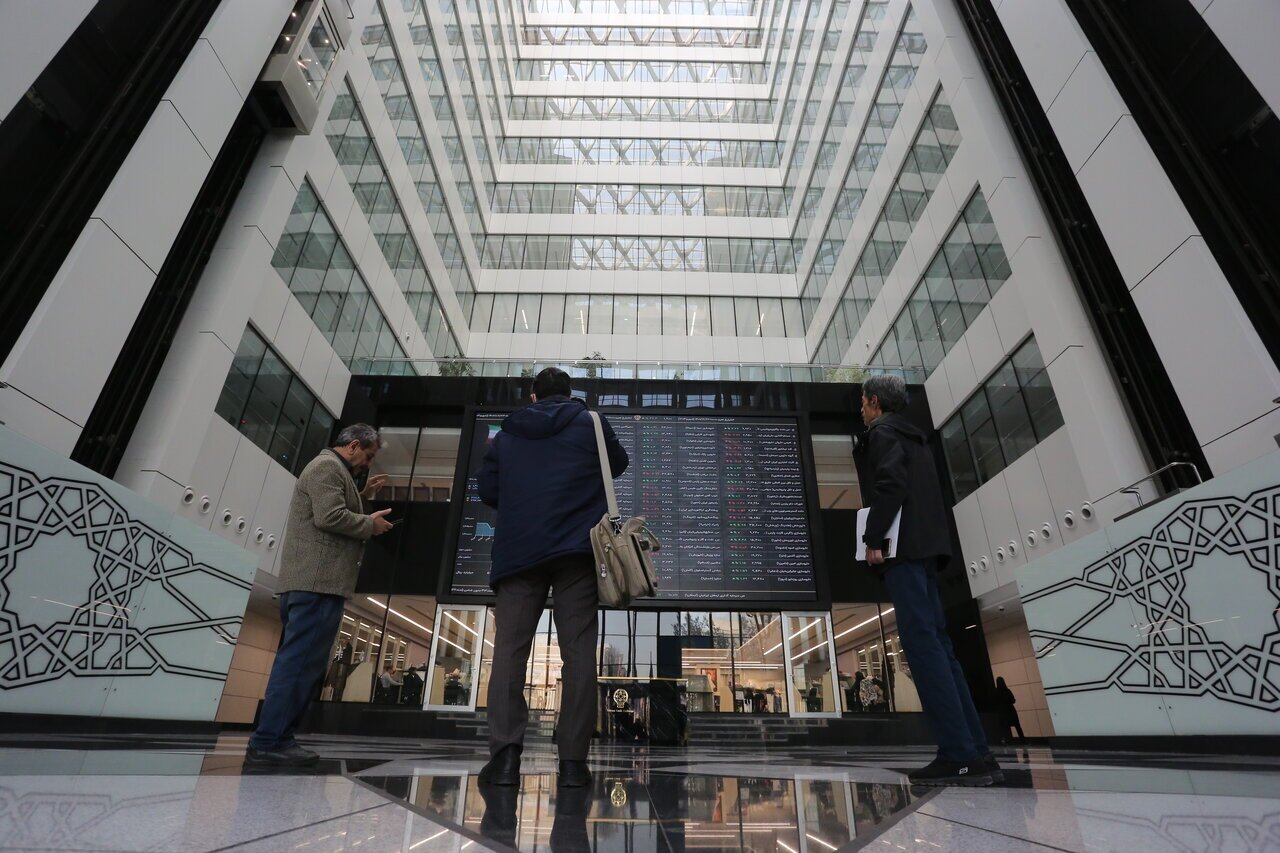
Iran’s equity market has long carried a reputation for seasonal volatility, but a closer look at historical data suggests winter is not the weak period many investors assume.
An examination of the Tehran Stock Exchange’s main index over the past 17 years shows that winter has frequently acted as a turning point, often delivering positive—and at times substantial—returns.
On average, winter performance has yielded gains of nearly 8%, underscoring its importance as a decision-making season for investors. In several years, winter rallies exceeded 30% and even 40%, particularly when macroeconomic conditions aligned in favor of equities.
These outcomes are closely linked to the convergence of key variables during the final quarter of the Iranian year: budget clarity, earnings visibility and currency movements.
Winter is traditionally the season when nine-month financial statements are released, offering investors a clearer picture of companies’ annual profitability. This increased transparency tends to favor fundamentally strong firms and can trigger renewed demand for equities.
At the same time, government fiscal priorities become clearer as budget negotiations near completion, reducing uncertainty and allowing markets to price policy signals more confidently.
The exchange rate remains the most influential variable shaping winter performance. Iran’s stock market is heavily weighted toward export-oriented and dollar-linked sectors such as petrochemicals, metals, mining and refining.
In years when winter coincided with rising exchange-rate expectations, stock prices often followed suit. This pattern reflects the market’s sensitivity to nominal earnings growth rather than purely real economic expansion.
Recent policy developments have again brought currency dynamics to the forefront. With the appointment of a new central bank governor and growing acknowledgment of market-based dollar pricing, expectations of a move toward exchange-rate unification have resurfaced after years of distortion. Even if the dollar stabilizes, its elevated level compared to recent averages continues to underpin listed companies’ earnings outlook.
Far From Guaranteed
Still, winter gains are far from guaranteed. Historical episodes of negative winter returns share common features: abrupt policy interventions, aggressive price controls, export restrictions, sharp interest-rate hikes or heightened political tensions. In such environments, seasonal advantages have failed to offset rising uncertainty.
As winter 1404 (December 2025–March 2026) unfolds, investors face a familiar question: will history repeat itself or will new risks dominate? Corporate earnings will be a critical test. If nine-month reports exceed market expectations, analysts are likely to shift focus toward profit projections for 1405 (March 2026–March 2027), effectively pricing the market one year ahead. This forward-looking behavior has often supported winter momentum.
Geopolitical risk remains the primary wildcard. Past experience suggests that unless tensions escalate into a full-blown crisis, the market tends to absorb shocks and return to fundamentals. For instance, heightened Iran-US tensions limited returns in winter 1403 (December 2024–March 2025), while improved regional relations boosted confidence in winter 1401 (December 2022–March 2023).
Ultimately, winter may not always be “hot,” but historical evidence indicates it is rarely irrelevant. For Tehran’s stock market, it remains a season where fundamentals, expectations and policy signals intersect—often setting the tone for the year ahead.