
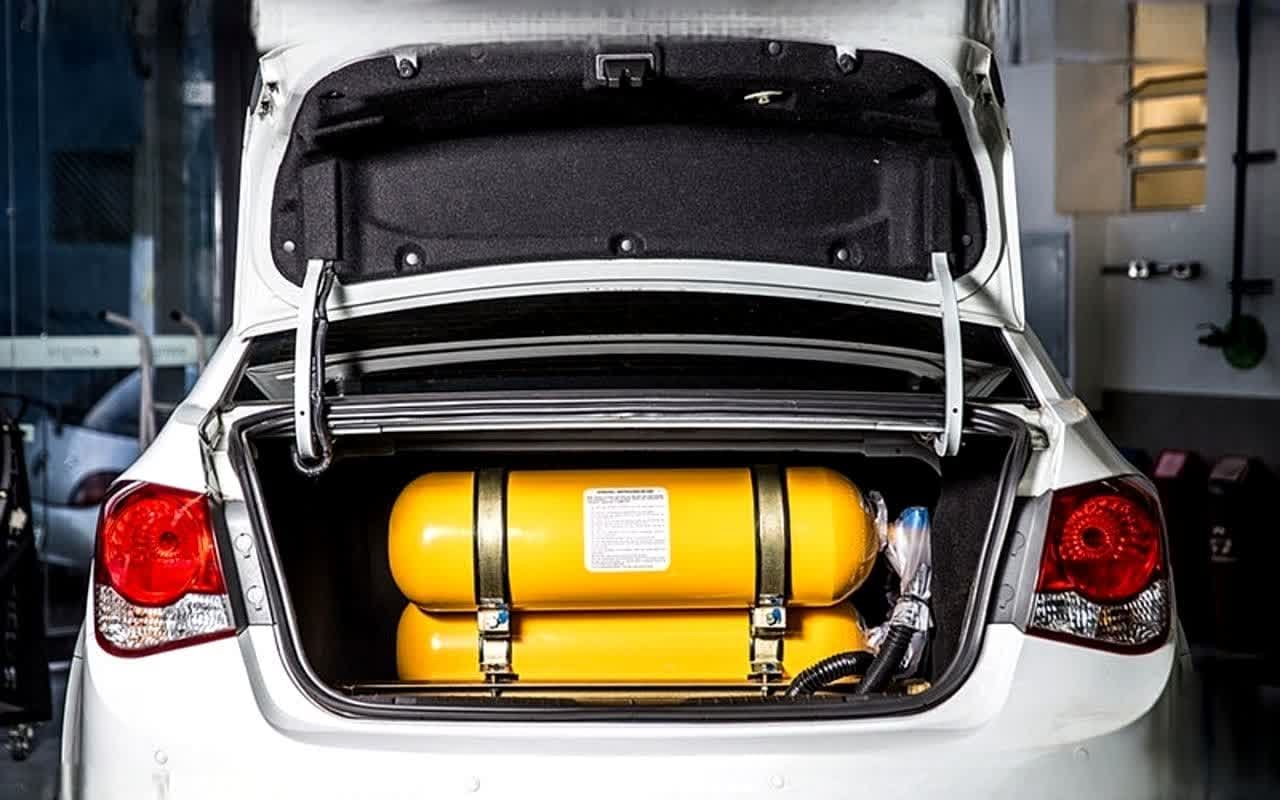
As Iran moves closer to implementing a three-tier gasoline pricing system, many motorists are showing growing interest in converting their gasoline-powered vehicles to compressed natural gas (CNG).
New data from the National Iranian Oil Products Distribution Company (NIOPDC) suggest that rising fuel costs—particularly the imminent application of a higher “third price” for gasoline—are accelerating this transition.
According to Shana, Saeed Rahman-Salari, head of NIOPDC’s CNG development project said on Wednesday that more than 30,000 drivers have registered for the government’s free CNG conversion scheme over the past month alone. Around 27,000 vehicles are currently awaiting conversion, reflecting what officials describe as one of the strongest public responses to a non-price fuel management policy in recent years.
The surge comes against the backdrop of Iran’s new gasoline framework, under which fuel will be sold at three different price levels, with the highest applied to purchases made using station cards rather than personal fuel cards. This third price (4 cents per liter), widely seen as a de facto market rate, has sharpened cost considerations for high-mileage drivers, particularly taxi operators, delivery vehicles, and ride-hailing fleets.
To meet growing demand, NIOPDC has organized around 300 licensed workshops nationwide to carry out free conversions, a number expected to rise to 350 in the coming weeks. Initially targeting public transport vehicles such as taxis, pickup trucks, and app-based ride-hailing cars, the program has gradually expanded. Since November, private car owners have also been eligible, with newer models prioritized under a phased rollout.
Under the scheme, vehicles are converted at no cost following online registration, with workshops assigned automatically to minimize waiting times. Officials say the process is designed to be simple and fast, removing financial and logistical barriers that previously discouraged motorists from switching to CNG.
Beyond short-term cost savings, authorities are emphasizing broader economic and environmental benefits. Rahman-Salari estimates that high-consumption households could reduce their annual fuel expenses by more than 500 million rials ($400) through CNG use. At current prices, CNG costs roughly one-third of the lowest subsidized gasoline rate, one-sixth of the second tier, and about one-eleventh of the upcoming third-tier price.
Iran, which holds the world’s second-largest natural gas reserves, has long promoted CNG as a strategic fuel to curb gasoline consumption, limit imports, and ease pressure on refineries.
As the third gasoline price takes effect, policymakers expect the momentum behind CNG conversions to strengthen further—positioning gas-powered vehicles not only as a cost-saving option, but as a key pillar of Iran’s evolving fuel strategy.